Product Features
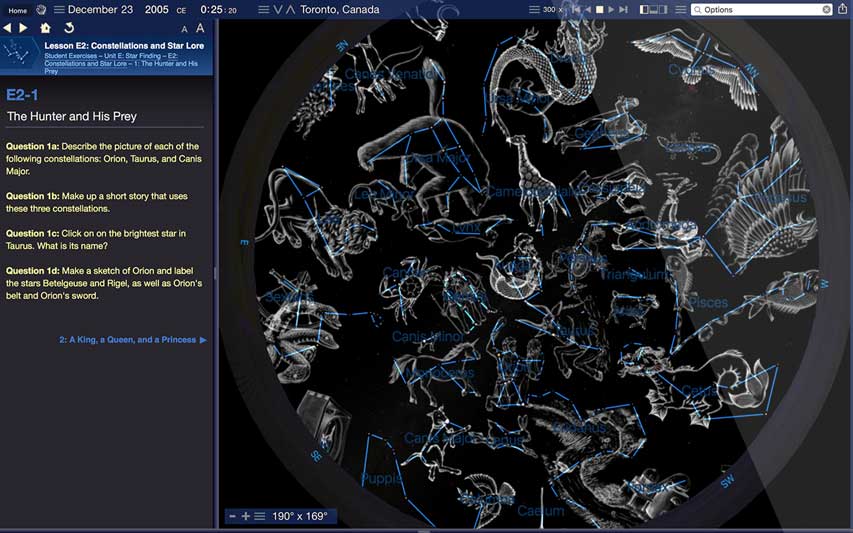
Astronomy is a big subject -- Starry Night High School makes it easy to teach with a comprehensive space science curriculum solution written for teachers by teachers.
Aligned to 9th through 12th grade national and state science standards, Starry Night High School offers innovative lesson plans with hands-on activities, software guided explorations, DVD movie content and assessment tests.
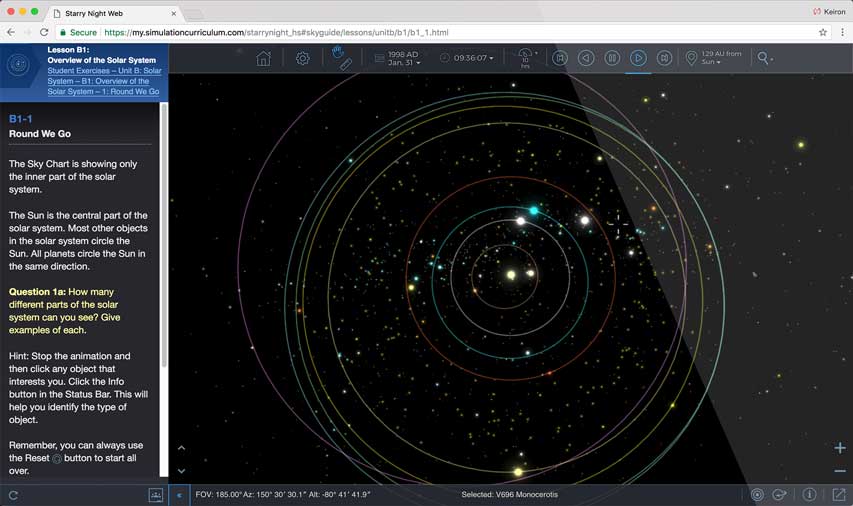
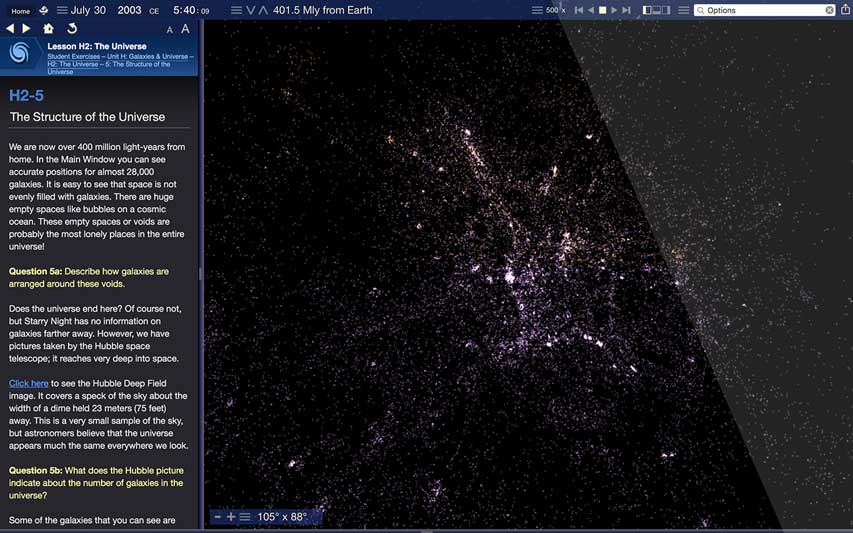
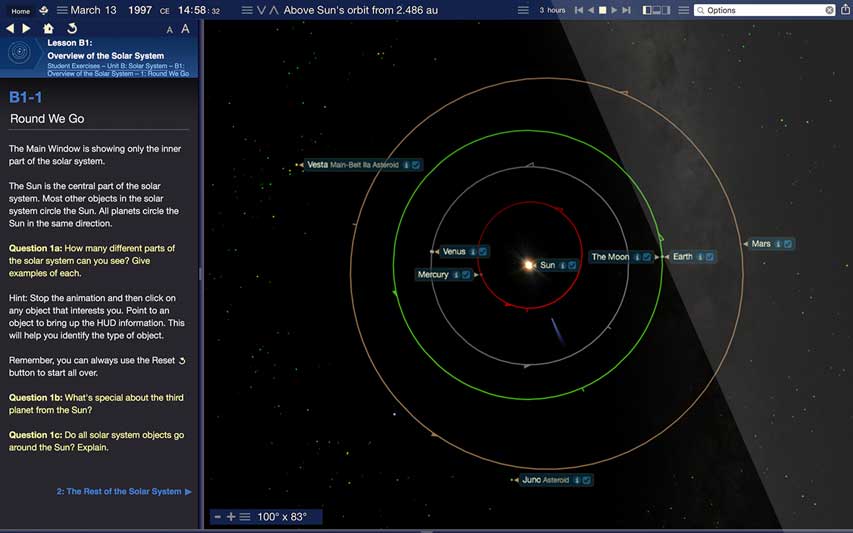
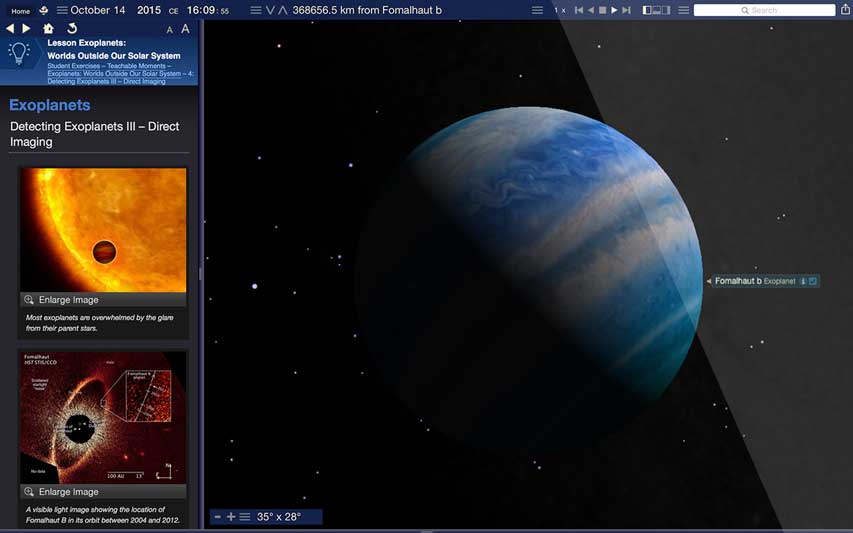
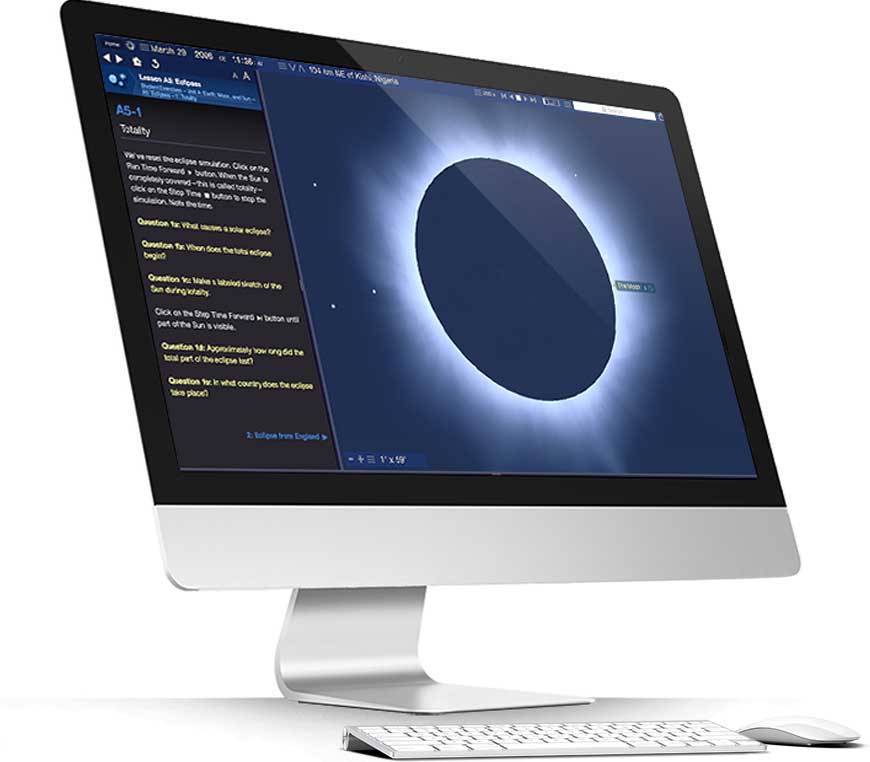
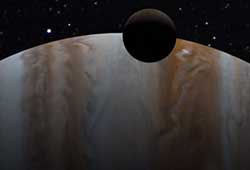
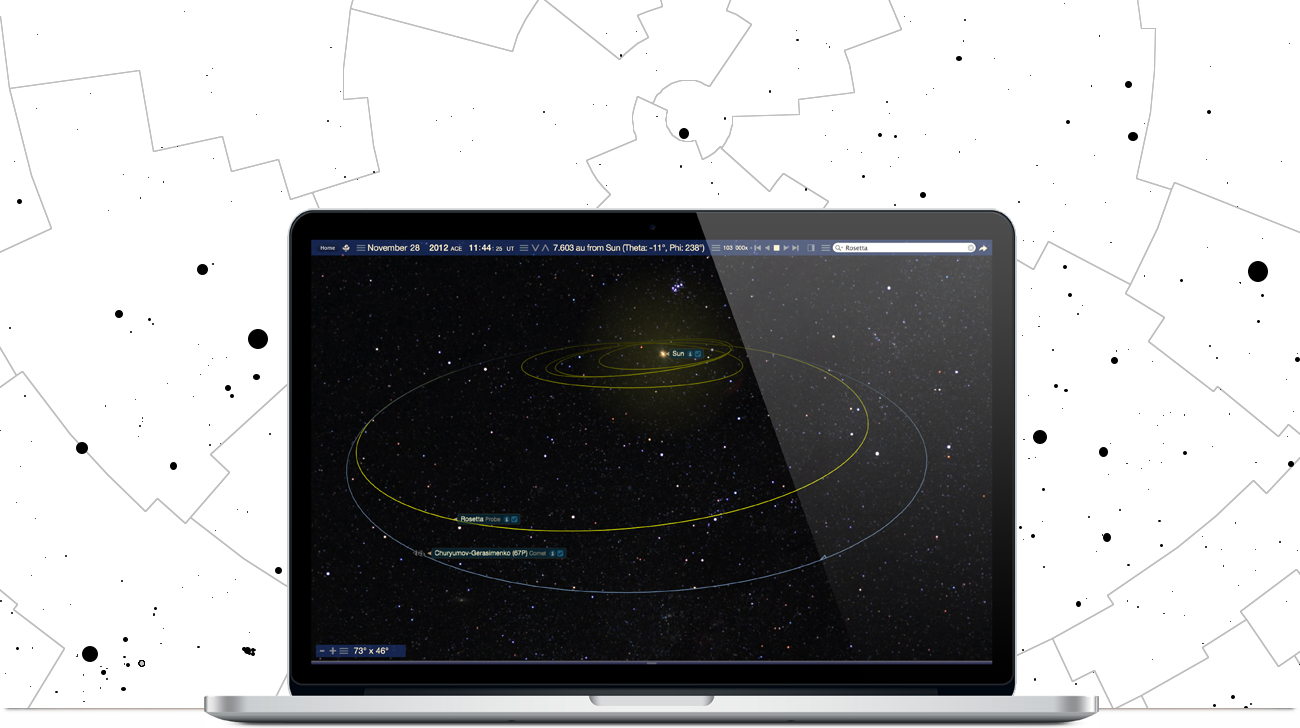
Travel from anywhere on Earth to any planet or star to help your students visualize the size and distances between objects to gain a deeper understanding of the scale of the universe.
Starry Night computer exercises, hands on activities and thought-provoking discussion questions encourage students to explore advanced topics, such as the life cycles of stars.
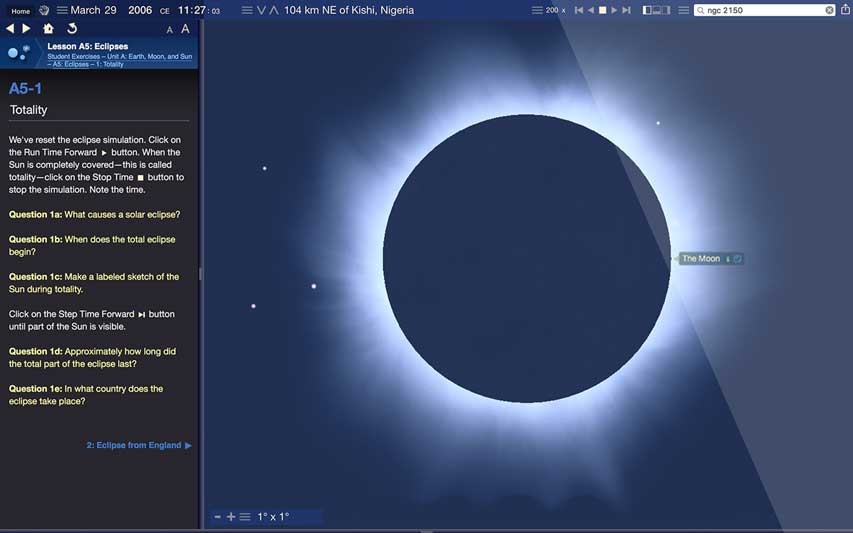
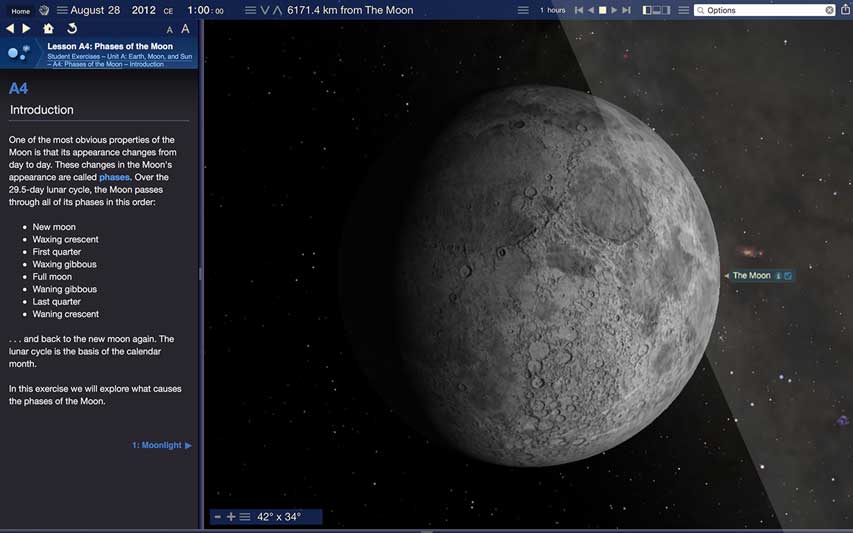
The ability to interactively manipulate time and space encourages questioning, experimentation and exploration. Guided inquiry-based learning lets students make their own observations and draw their own conclusions.
Research confirms that Starry Night is a highly effective science instructional tool. Recent studies have concluded that accurate visualizations of celestial phenomena are key to gaining a correct understanding of astronomical concepts.
You'll be amazed by how quickly your students will grasp the fundamentals of astronomy.
Complete with formative and summative assessment tests, detailed lesson plans, hands-on activities, student worksheets and computer exercises, Starry Night High School is sure to spark your students' fascination with the Universe.
Starry Night High School is:
- US and Canadian curriculum specific
- Full of pre-tested activities and exercises
- Designed specifically for High School students
- Hands-on and interactive
- Fun and simple to use
Modular and easy-to-use solution comes complete with:
- 30 detailed lesson plans
- Interactive computer exercises
- Hands-on classroom activities
- Conceptual background for teachers
- Discussion questions
- Assessment tests and answer keys
- Resource lists
- Appendices
- Glossary of astronomical terms
New features highlight the latest theories and address classroom needs:
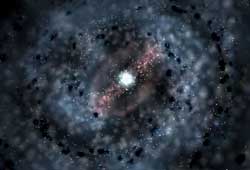
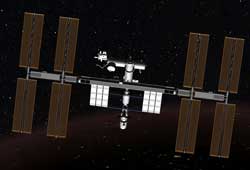
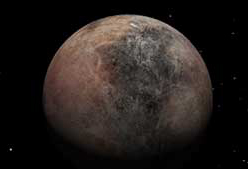
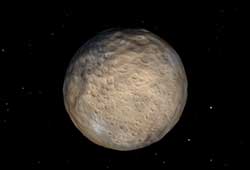
- 4 lesson plans, focused on the reclassification of Pluto, unmanned space exploration, astrology and black holes
- Math and observing extensions for most lessons
- Revised and expanded assessment resources
- Pre-assessment Idea Diagrams and Concept Maps identify pre-conceptions
- Thinking Grids and Contrast and Compare charts develop logical and critical thinking skills
- Drawing Completion activities and KWL charts assess student understanding
- Easy-to-use Scoring Rubric evaluate learning of science content and process
- Expanded library of astronomy simulations
- Lesson Plans at a Glance help you choose the lesson plans that best fit your curriculum requirement
- QuickStart Guide for teachers new to astronomy or using Starry Night for the first time
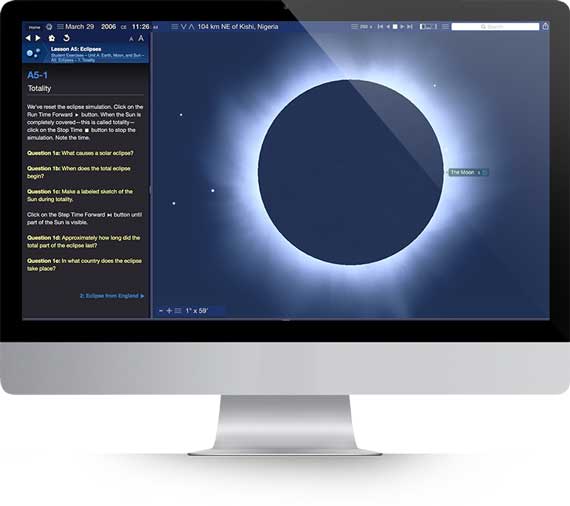
Award-winning Starry Night software allows you to re-create these stunning simulations:
- Control most popular brands of computerized telescopes
- Travel through time from 99,999 BC to 99,999 AD
- View over 16 million stars and 1 million galaxies objects with online link to 500 million stars
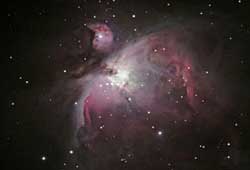
- Explore PGC catalog with 1,000,000 galaxies
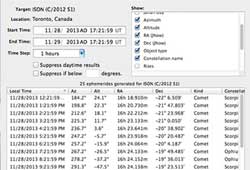
- Plan and annotate observing sessions in the Events Finder and revised Planner
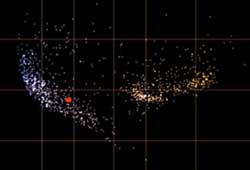
- Access dynamic Hertzsprung-Russell diagram to view the lifecycle of stars
- Print full sky (180-degree) star charts of any area in the sky
- And much more!
Praise & Testimonials:
 "The universe is a big place. As a professional astrophysicist and dedicated educator, I know the challenge of finding fertile means to explain abstract cosmic topics. Starry Night makes teaching space science easy, and, dare I say, fun. Written by teachers for teachers, this brilliantly integrated curriculum tracks national science standards, and comes complete with assessment tools, detailed lesson plans, hands-on activities, student worksheets and, of course, the award-winning Starry Night software. For all your students, but especially for those who think astronomy is above their heads, you'll be amazed by how swiftly the universe comes down to Earth."
Neil deGrasse Tyson
Astrophysicist and Director, Hayden Planetarium
American Museum of Natural History
Photo © Dan Deitch

Adopted in New Mexico
Now available from Southwest Textbook Depository
SMART Board™ interactive whiteboard Ready |